How The Attic Impacts Your Roof - A Deeper Analysis

When you think about roof problems, you usually look up at the shingles, flashing, and gutters. Yet some of the most damaging roofing problems begin underneath those materials. An overheated, poorly ventilated, or moisture-filled attic can shorten roof life, increase energy costs, and contribute to leaks and structural damage. Understanding how your attic affects your roof can help you identify problems earlier, protect your investment, and avoid expensive repairs.

New Image Roofing Atlanta gathered information about how attic temperature, ventilation, moisture, insulation, and air movement can influence roofing performance. This article provides a deeper look at the relationship between your attic and roofing system, including three common attic-related problems and practical solutions. Understanding this relationship can help homeowners make better maintenance decisions and recognize why a healthy roof requires more than quality shingles.
Key Takeaways for How Your Attic Impacts Your Roof
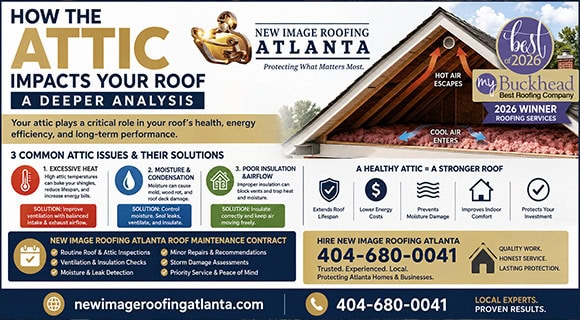
Your attic functions as a critical part of your home’s roofing system. It creates a transition zone between living space and outdoor conditions, making temperature and moisture control extremely important. Problems inside this space can gradually affect roofing materials even when shingles initially appear to be in good condition.
One significant concern involves excessive attic heat. During an Atlanta summer, temperatures inside an inadequately ventilated attic can rise dramatically. Excessive heat can accelerate aging in asphalt shingles, contribute to premature deterioration, and increase cooling demands throughout your home. Balanced intake and exhaust ventilation allows hot air to escape while bringing fresh air into the attic.
Moisture creates another significant concern. Warm indoor air can migrate into an attic and encounter cooler surfaces, producing condensation. This moisture can dampen insulation, encourage mold growth, rot wood components, and exacerbate roof deck decline. Proper air sealing, insulation, and ventilation work together to control moisture.
A third concern involves insulation and airflow. Insulation helps regulate indoor temperatures, but simply adding more insulation does not automatically solve attic problems. Poorly installed insulation can block soffit vents and restrict airflow. This can create stagnant areas where heat and moisture accumulate.
Homeowners should also pay attention to bathroom exhaust fans and ductwork. Exhaust fans should discharge outside rather than into attic space. Ductwork should remain properly connected and insulated. Improper installation can introduce warm, humid air into an environment where condensation can develop.
Regular professional inspections can identify these problems before they become major roofing issues. An inspection should evaluate roofing materials and attic conditions together rather than treating them as completely separate systems.
The most important lesson is simple: a healthy roof requires a healthy attic environment. Proper ventilation, moisture management, insulation, and routine inspections can help extend roof life and improve home efficiency.
How Attic Heat Can Damage Your Roof
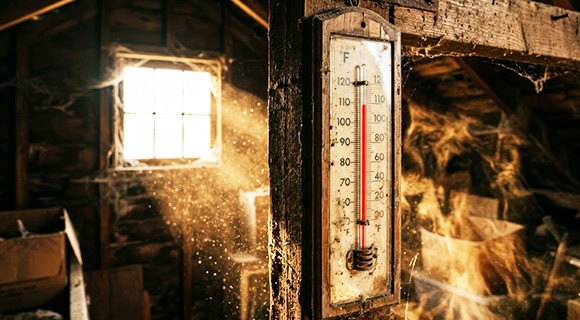
Heat naturally accumulates in attic spaces because warm air rises. During summer, sunlight heats roofing materials while outdoor temperatures remain high. Without adequate ventilation, that heat becomes trapped.
Excessive heat can accelerate deterioration in roofing materials. Asphalt shingles may lose their protective qualities sooner, while adhesives and sealants can age more rapidly.
A hot attic also forces your air conditioning system to work harder. Heat transferred from attic space into living areas can increase indoor temperatures and energy consumption.
Solution: Improve Attic Ventilation
A properly designed ventilation system uses intake and exhaust airflow to move hot air outside.
Common components include:
- Soffit vents
- Ridge vents
- Gable vents
- Turbine vents
- Powered attic ventilators
Ventilation should remain balanced. Adding an exhaust vent without sufficient intake airflow may not produce the desired results.
New Image Roofing Atlanta can evaluate existing ventilation and identify areas where airflow may be restricted or inadequate.
How Attic Moisture Can Damage Roofing Components
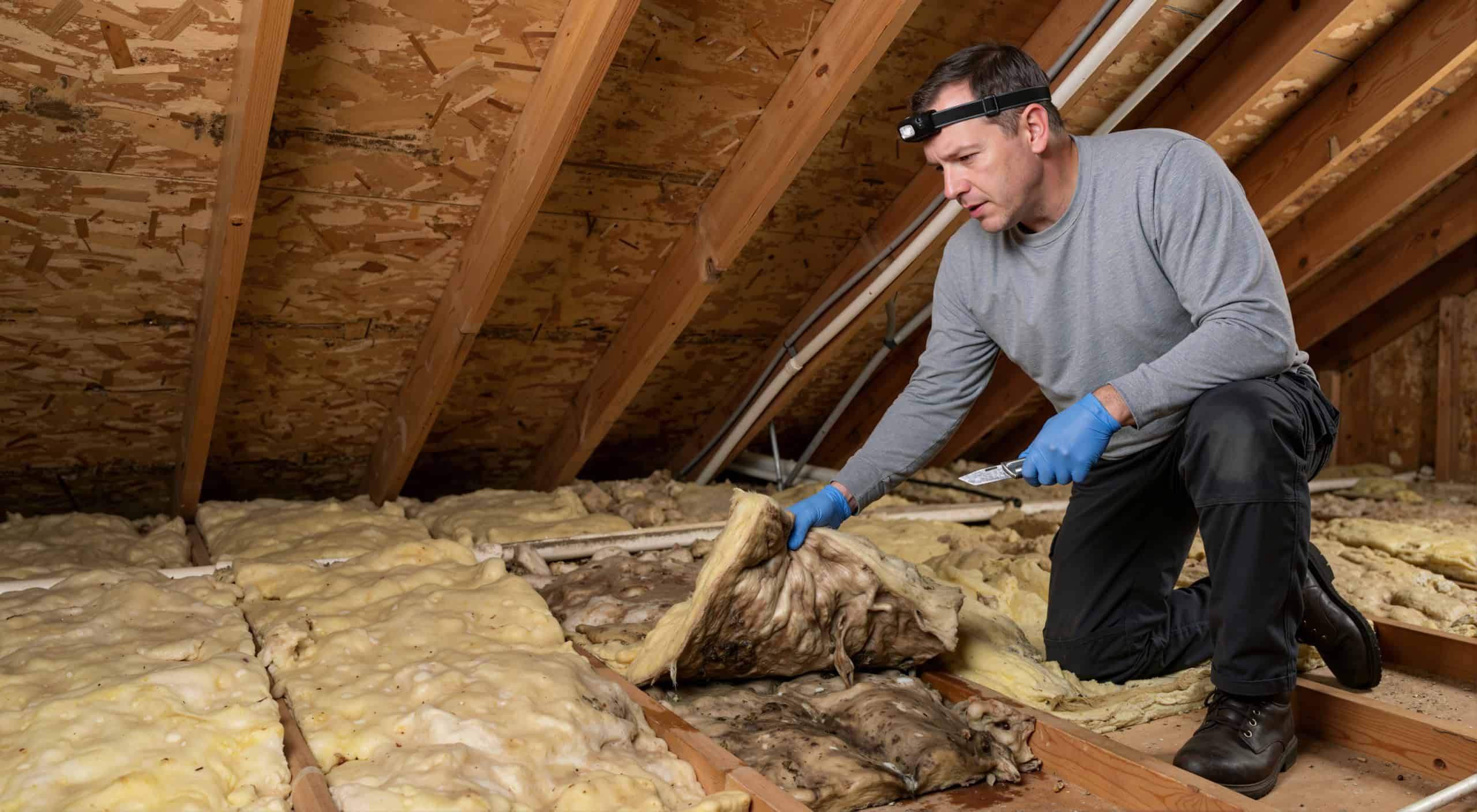
Moisture represents another major attic concern. Humid indoor air can move into attic space through small gaps around light fixtures, plumbing penetrations, electrical wiring, and other openings.
When warm air contacts cooler roof decking or other surfaces, condensation can develop.
Over time, moisture may contribute to:
- Mold growth
- Wood rot
- Damaged insulation
- Rusted fasteners
- Roof deck deterioration
- Interior ceiling stains
Solution: Control Moisture at Its Source
Improving attic conditions may require more than ventilation.
Homeowners should ensure bathroom exhaust fans discharge outside, repair plumbing leaks, seal air gaps, and maintain appropriate insulation. Professional evaluation can determine whether moisture originates from indoor air, roofing leaks, HVAC systems, or another source.
How Poor Insulation Can Affect Your Roof
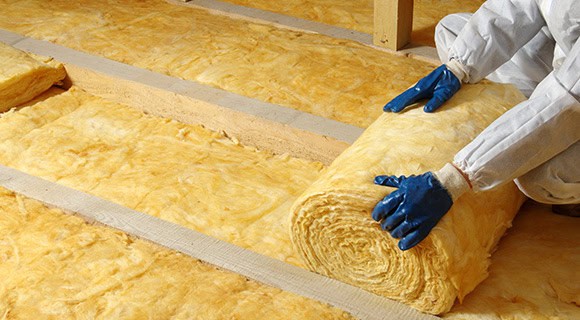
Insulation and ventilation work together. Insulation slows heat transfer between living areas and attic space, while ventilation manages heat and moisture within attic space.
Improper insulation can create several problems.
Too little insulation allows excessive heat transfer into living areas. Too much insulation installed incorrectly can obstruct soffit vents and restrict airflow.
Solution: Create a Balanced Attic System
A professional evaluation should consider insulation depth, ventilation pathways, air sealing, and roof design together.
Maintaining open airflow near soffit vents allows fresh air to enter while exhaust ventilation removes hot, humid air.
Three Common Attic Problems and Their Solutions
Problem 1: Excessive Heat
Warning signs: High attic temperatures, rising cooling bills, prematurely aging shingles, and uncomfortable upper rooms.
Solution: Evaluate ventilation, soffit intake, ridge or exhaust ventilation, and insulation. Correcting airflow can help reduce heat accumulation and improve roof performance.
Problem 2: Condensation
Warning signs: Damp insulation, water droplets, musty odors, mold growth, or staining on roof decking.
Solution: Identify the moisture source first. Improve ventilation, seal air leaks, correct bathroom exhaust routing, repair plumbing problems, and address HVAC-related moisture when necessary.
Problem 3: Blocked Ventilation
Warning signs: Little airflow near soffits, excessive attic heat, moisture accumulation, or deteriorating insulation.
Solution: Inspect soffit vents and ventilation pathways for insulation, debris, or other obstructions. A roofing professional can determine whether your ventilation design provides adequate intake and exhaust capacity.
Why Attic Inspections Matter
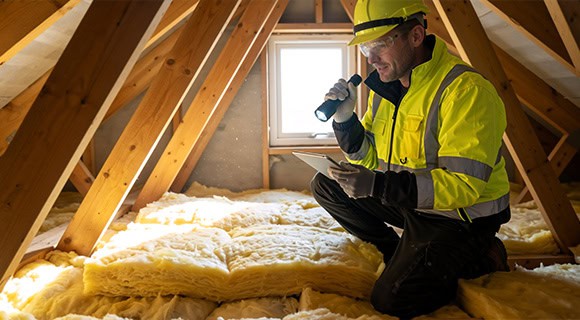
A roof inspection that ignores attic conditions may miss important warning signs.
Roofing professionals can inspect both exterior and interior components to identify connections between attic conditions and roof performance.
An inspection may evaluate:
- Roof decking
- Shingles
- Flashing
- Ventilation
- Insulation
- Moisture
- Attic framing
- Roof penetrations
- Signs of condensation
- Evidence of previous leaks
This broader perspective helps determine whether a roofing problem originates outside, inside, or from an interaction between both environments.
New Image Roofing Atlanta Roof Maintenance Contract
Preventive maintenance can help homeowners address attic and roofing concerns before significant damage develops.
A roof maintenance contract from New Image Roofing Atlanta provides a structured approach to monitoring roof condition and identifying potential problems. Regular inspections can reveal deteriorating shingles, damaged flashing, blocked drainage, ventilation deficiencies, moisture accumulation, and other conditions that may shorten roof life.
A maintenance program may include:
- Scheduled roof inspections
- Attic condition assessments
- Ventilation evaluations
- Flashing inspections
- Roof penetration inspections
- Moisture assessments
- Shingle evaluations
- Drainage evaluations
- Preventive repair recommendations
- Storm damage inspections
Regular maintenance can also establish a documented history for your roofing system, making it easier to recognize changes over time.
Hire New Image Roofing Atlanta 404-680-0041
New Image Roofing Atlanta provides residential and commercial roofing services throughout Atlanta and surrounding communities. The company understands that successful roofing requires attention to both exterior materials and conditions inside attic space.
Whether you need a roof inspection, repair, replacement, maintenance program, or evaluation following severe weather, professional assistance can help determine what your property actually needs.
New Image Roofing Atlanta was chosen as a “Best of Buckhead” 2026 Winner in Roofing Services because of its commitment to quality workmanship, customer service, and professional roofing expertise.

New Image Roofing Atlanta is an accredited A+ Rated roofing contractor.
When attic conditions or roofing problems concern you, contact New Image Roofing Atlanta at 404-680-0041 to schedule an inspection and discuss your roofing needs.
Attic Influence on Roof Health
Your attic plays a much larger role in roof performance than many homeowners realize. Throughout this article, you discovered how excessive heat, moisture, poor insulation, and restricted ventilation can affect roofing materials. You also learned three common attic problems and practical solutions involving ventilation, moisture control, insulation, and professional inspections.
Maintaining a healthy attic can help extend roof life, improve energy efficiency, reduce moisture-related damage, and provide greater confidence in your home’s protection. Regular inspections and preventive maintenance allow potential problems to be addressed before becoming expensive repairs.
Ignoring attic conditions can produce the opposite result. Excessive heat may accelerate roof deterioration, while trapped moisture can contribute to mold, wood rot, damaged insulation, and issues with the roof deck. Restricted ventilation can compound these issues and potentially shorten roof life. Addressing attic conditions early provides a much better opportunity to protect your roof and your home.
Atlanta, GA 30318
(404) 680-0041
To see the original version of this article, visit https://newimageroofingatlanta.com/how-the-attic-impacts-your-roof-a-deeper-analysis/


Comments
Post a Comment